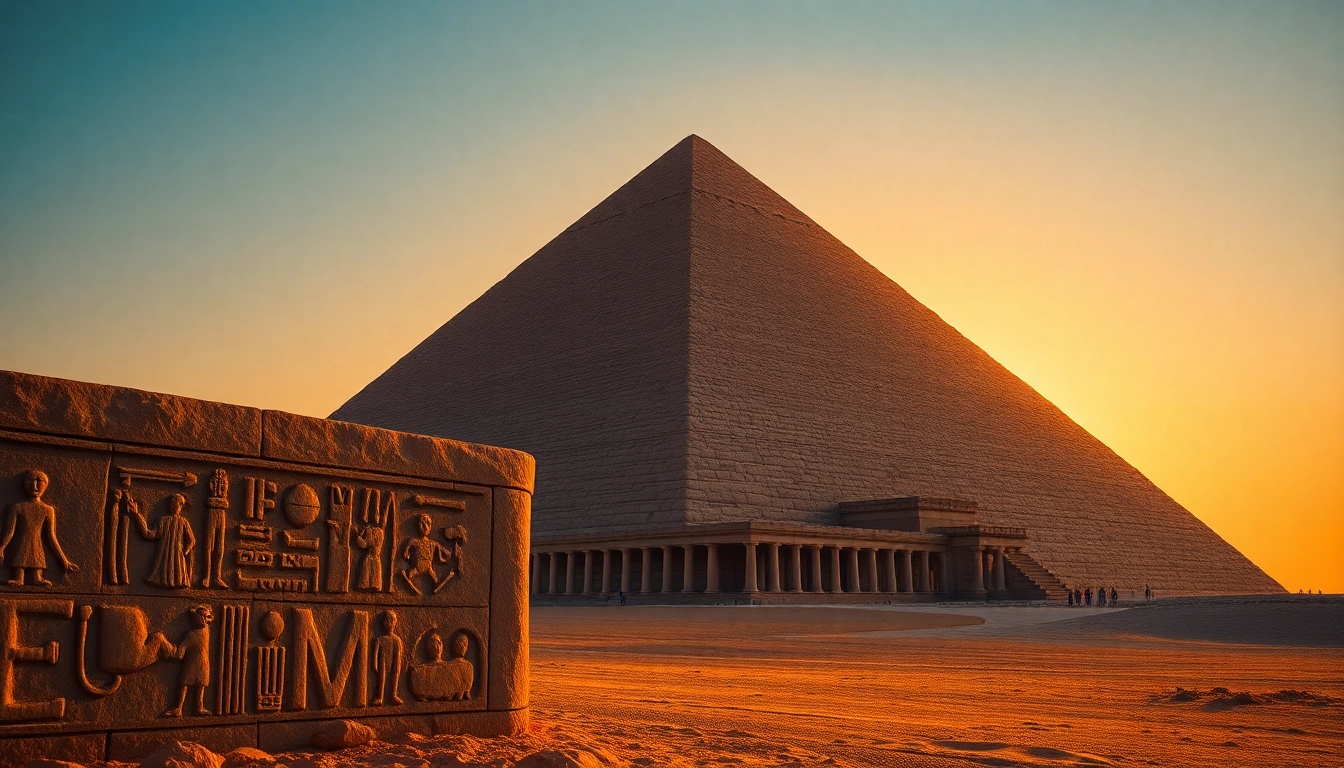
Understanding the Basics of Pyramids
Definition and Purpose of Pyramids
Pyramids are monumental structures characterized by a square or triangular base and four triangular sides that converge at a single apex. Historically, they served primarily as tombs for pharaohs, playing a crucial role in ancient Egyptian burial practices. These structures represent a bridge between the earthly and the divine, encapsulating beliefs in the afterlife and the journey of the spirit.
Historical Context and Timeframe
The construction of pyramids in Egypt dates back to around 2700 BCE during the Third Dynasty of the Old Kingdom. The construction techniques evolved significantly over several dynasties, with some of the most well-known pyramids, such as the Great Pyramid of Giza, built during the Fourth Dynasty. This period reflects an era of considerable advancements in engineering, art, and religious practice, all centered around ensuring a successful afterlife for the pharaohs.
Primary Locations of Notable Pyramids
Pyramids are predominantly found in Egypt, with the Giza Plateau home to the most famous pyramids, including the Great Pyramid, which is one of the Seven Wonders of the Ancient World. Other significant locations include Dashur, which features the Bent and Red Pyramids, and Saqqara, where the Step Pyramid of Djoser stands as a pivotal example of early pyramid construction. Around the region of Nubia, further pyramidal structures reflect the cultural significance of the pyramid throughout ancient civilizations.
Architectures and Structures of Pyramids
Design Principles of Pyramids
The architectural design of pyramids reflects a deep understanding of engineering and aesthetics. Pyramids were not merely for burial; their design symbolizes a cosmic connection, often aligning with celestial bodies. The base typically features a square foundation, a design derived from the ancient Egyptian belief in stability and balance, critical for both the structure's longevity and the spiritual weight it carried.
Materials Used in Pyramid Construction
The construction of pyramids involved a variety of materials, primarily limestone, granite, and basalt. The core of the pyramids was often made of locally quarried limestone, while the outer casing—a smooth layer of fine Tura limestone—was polished to reflect sunlight, making the pyramid shine brightly. These materials were chosen not just for their availability but for their symbolic and physical properties, contributing to the overall majesty and endurance of the structures.
Innovations in Pyramid Architecture
As pyramid construction evolved, so did the techniques employed. Early step pyramids, like the one at Saqqara, gradually transitioned into the smooth-sided pyramids that we recognize today. Innovations such as the use of counterweights, ramps, and levers facilitated the movement of massive stones. Additionally, these engineering feats showcased the advanced understanding of geometry and physics possessed by ancient Egyptian architects.
Theories on How Pyramids Were Built
Workforce and Labor Theories
The construction of pyramids represented a significant mobilization of labor, challenging earlier assumptions that forced labor was the primary method. Evidence suggests that skilled workers, organized into crews, performed the work during the annual flooding of the Nile when agricultural activities were halted. The employment of a knowledgeable labor force, including architects and engineers, reflected on the societal structure that supported pyramid building.
Technological Advancements and Techniques
The technological means by which the pyramids were erected involved impressive logistics and understanding of construction principles. The application of simple machines—like levers and ramps—enabled workers to maneuver heavy stones with relative ease. Moreover, recent discoveries of advanced planning and organizational strategies have shed light on how monumental projects like the pyramids were meticulously orchestrated, underscoring the Egyptians' profound engineering capabilities.
Historical Accounts and Perspectives
Historical writings and accounts from ancient historians provide insight into the pyramid construction process. Herodotus, the Greek historian, wrote about the formidable task of constructing the Great Pyramid, estimating the workforce required. However, contemporary research, using archaeological evidence, suggests a more nuanced understanding of the labor force, highlighting organization, community participation, and the exchange of knowledge across generations.
Cultural Importance of Pyramids
Religious Significance in Ancient Egypt
Pyramids held profound religious meaning; they were considered gateways to the afterlife, facilitating the pharaoh's ascension to the heavens. The burial practices associated with pyramids, including offerings and rituals, underscored their role as both tombs and temples. The design and layout of associated mortuary temples provided crucial spaces for worship, ensuring that the cosmic journey of the deceased was honored and celebrated.
Pyramids in Modern Culture and Media
Today, pyramids are cultural icons, featuring prominently in art, literature, and film. They symbolize human ingenuity and serve as a testament to ancient civilizations. Modern interpretations often draw upon the mystique and grandeur of pyramids, propelling them into contemporary media as subjects of exploration and intrigue. From documentaries to fictional portrayals, pyramids continue to inspire fascination and inquiry.
Current Research and Discoveries Related to Pyramids
Recent archaeological discoveries have revitalized interest in pyramids, uncovering hidden chambers and previously unknown structures beneath their mass. Innovative technologies, such as radar and 3D modeling, enhance our understanding of their construction and purpose. Ongoing research continues to reveal critical insights into the cultural, spiritual, and technological facets of pyramids, ensuring their significance remains a lively area of academic study and public interest.
Visiting Pyramids Today
Major Tourist Attractions Related to Pyramids
The Giza Plateau is the crown jewel of pyramid tourism, attracting millions of visitors yearly. Beyond the Great Pyramid, tourists can explore the iconic Sphinx, various temples, and the lesser-known pyramids scattered throughout the area. Noteworthy sites like the Step Pyramid of Djoser and the pyramids of Dashur offer more intimate experiences, allowing for deeper appreciation of ancient Egyptian architecture and history.
How to Plan a Visit: Key Considerations
When planning a visit to the pyramids, consider factors such as time of year, local customs, and entry requirements. Visiting early in the day can help avoid crowds and extreme heat, while guided tours can enhance understanding of the rich history. It’s also advisable to check for any ongoing archaeological excavations or special exhibitions that might provide a unique glimpse into ongoing research and discoveries at these ancient sites.
Tips for Learning More about Pyramids on https://piraminds.com/
For those eager to expand their knowledge about pyramids, the resourceful site https://piraminds.com/ offers a wealth of information, including historical context, cultural significance, and the latest research findings. Utilizing online webinars, guides, and educational content can significantly enhance appreciation and understanding of these architectural marvels.
Frequently Asked Questions
What are the main function of pyramids?
Pyramids primarily served as tombs for pharaohs and important figures, symbolizing a connection to the divine and afterlife, while also functioning as religious temples.
Where are the most famous pyramids located?
The most renowned pyramids are located at the Giza Plateau in Egypt, particularly the Great Pyramid, which is one of the Seven Wonders of the Ancient World.
How were pyramids constructed?
Pyramids were constructed using advanced techniques involving skilled laborers, ramps, levers, and a strong organizational structure to transport and place massive stones into position.
What materials were used to build the pyramids?
Pyramids were primarily built using limestone, granite, and basalt, selected for their strength and durability and often featuring polished outer casings that enhanced their appearance.
Why are pyramids culturally significant?
Pyramids hold immense cultural significance as symbols of ancient Egyptian civilization, reflecting their beliefs in religion, the afterlife, and advancements in architecture and engineering.