
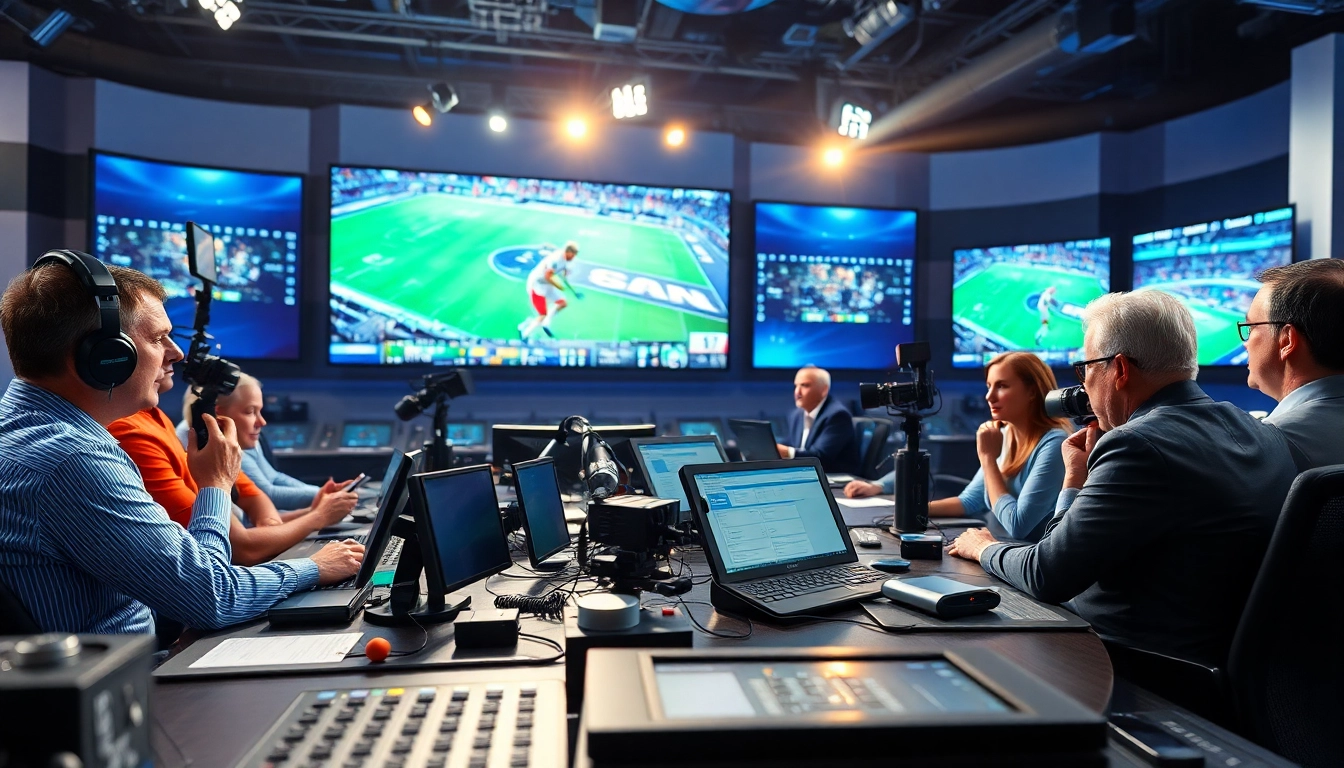
Understanding Sports Broadcasting
Sports broadcasting forms the backbone of how audiences engage with their favorite sports. The combination of technology, storytelling, and audience interaction makes it a vibrant yet complex field. As the landscape evolves, stemming from the developments in technology and consumer behavior, understanding the fundamentals becomes vital for professionals within this sector. Sports Broadcasting has seen shifts from traditional TV to online streaming platforms, with innovations spreading into viewer interactivity and content delivery modalities.
The Evolution of Sports Broadcasting
From its inception in the early 20th century to today, sports broadcasting has transformed significantly. Radio broadcasts of sports events began around the 1920s, allowing people to experience games that were miles away, laying the groundwork for television broadcasts in the 1950s. The introduction of cable and satellite TV further expanded access, permitting niche sports audiences to gather around their screens.
In the 2000s, the narrative truly shifted with the internet's rise. Streaming services revolutionized access to sports, allowing fans to tune in from anywhere at any time. Social media platforms have also altered the way stories are told and consumed. Today, with technologies like augmented reality and high-definition broadcasts, the spectator experience has evolved beyond mere observation into immersive participation.
Key Elements of Effective Sports Broadcasting
The core elements of outstanding sports broadcasting include clarity, context, storytelling, and audience engagement. Broadcasters must be adept storytellers, weaving narratives that elevate the game beyond mere statistics and scores. Clarity is critical; the use of vocal tone and pace can convey excitement and importance, making even the most mundane moment resonate with audiences. Providing context helps audiences understand not only what's happening, but why it's significant, enhancing the emotional engagement the viewer feels.
Types of Sports Broadcasting: TV, Online, and Beyond
Sports broadcasting primarily exists in three formats: traditional television, online streaming, and radio. Each medium has unique strengths. For example, TV offers high production values and a structured viewing experience, while online streaming provides flexibility and often a personalized content consumption experience.
Additionally, modern sports broadcasting has extended to social media platforms, podcasts, and even specialty sports networks. Each platform attracts different audience segments and allows for varied methods of engagement, whether through live tweets, interactive polls during games, or in-depth analysis shows.
Essential Skills for Sports Broadcasters
Communication Techniques in Sports Broadcasting
Effective communication is paramount in sports broadcasting. This goes beyond just delivering play-by-play commentary; it entails engaging the audience with enthusiasm and authenticity. Techniques include using varied vocal tones to match the game's intensity and employing precise vocabulary that resonates with diverse audiences, from casual fans to die-hard enthusiasts.
Moreover, understanding body language can be advantageous. In both studio settings and on-site events, broadcasters must be aware of their own non-verbal cues as well as those of their interview subjects to maintain a professional demeanor and foster trust with the audience.
Research and Preparation for Broadcasters
Preparation is the unsung hero of effective sports broadcasting. Broadcasters should actively engage in pre-game research, which includes gathering statistics, historical context, and understanding the nuances of team dynamics. This preparation helps to create depth in their commentary, allowing them to provide valuable insights during the broadcast.
Furthermore, staying updated on current events within the sport, including player injuries, team changes, and recent performances, is key to delivering timely and relevant information during games.
Interviewing Athletes and Coaches
Conducting interviews is another crucial task for sports broadcasters. Effective interviewing requires skillful questioning that fosters open dialogue while capturing authentic moments and emotions from athletes and coaches. Broadcasters should focus on creating a rapport with their subjects to elicit candid responses, as this can lead to more profound insights valuable to viewers.
In addition, understanding how to manage delicate situations, such as discussing losses or injuries, is vital in maintaining professional ethics while ensuring engaging content.
Technology's Role in Sports Broadcasting
The Impact of Streaming Services on Sports Broadcasting
The proliferation of streaming services has drastically altered sports broadcasting dynamics. Platforms like Amazon Prime and ESPN+ have begun producing exclusive sports content, giving fans more options to consume their favorite events. This shift not only impacts revenue models but also changes how audiences interact with sports content.
This technological evolution encourages broadcasters to rethink content strategies to cater to younger, tech-savvy audiences who prefer on-demand access and interactive features available on these platforms.
Innovations in Broadcast Equipment
Continuous advancements in broadcast equipment, including 4K cameras, drones, and augmented reality graphics, are pushing the boundaries of how sports are presented. Producers must be adept at integrating these technologies with their storytelling to enhance the viewer experience further.
Moreover, 360-degree cameras are becoming increasingly popular, offering viewers immersive perspectives that change how they watch sports. As the technology progresses, the skill set required for broadcasters will expand, pushing them to learn new ways to engage their audience directly.
Utilizing Social Media for Enhanced Engagement
Social media has become an essential tool for broadcasters to enhance audience engagement. Platforms like Twitter and Instagram allow broadcasters to share real-time updates, highlight moments, and interact with fans before, during, and after games. Such engagement not only builds a loyal fan base but also creates opportunities for direct feedback and interaction.
Additionally, broadcasters can utilize social media to augment storytelling – by showcasing behind-the-scenes content, they can personalize their presentation style and connect on a deeper level with their viewers.
Business Aspects of Sports Broadcasting
Revenue Models: Ad Sales vs. Subscription
Sports broadcasting operates under various revenue models, primarily centered on advertising and subscriptions. Traditional television broadcasts often rely heavily on ad sales, leveraging large viewership numbers to attract sponsors.
On the contrary, streaming services typically employ a subscription-based model, granting unencumbered access to content without commercial interruptions. Understanding these models and their implications on viewership and revenue streams is crucial for broadcasters to strategize effectively.
Legal Considerations in Sports Broadcasting
The legal landscape surrounding sports broadcasting is intricate. Broadcasters must navigate broadcasting rights, licensing, and intellectual property issues. Securing rights to air events requires negotiation skills and a deep understanding of both legal standards and market dynamics.
Furthermore, broadcasters should remain vigilant in understanding regulations concerning image use, copyright laws, and player rights to avoid costly legal entanglements that could undermine their operations.
Negotiating Broadcast Rights
Negotiating broadcast rights is fundamental in sports broadcasting. Deals shape not only the immediate financial landscape but also long-term audience reach and engagement strategies. Successful negotiations hinge on understanding the value of content, leverage dynamics, and audience demographics.
Broadcasters should develop strong relationships with sports leagues and associations to facilitate successful negotiations and align their content strategies with the evolving landscape.
Future Trends in Sports Broadcasting
The Rise of Virtual Reality in Broadcasting
Virtual Reality (VR) and Augmented Reality (AR) are at the forefront of evolving audience experiences in sports broadcasting. These technologies offer immersive viewing experiences that can transport fans directly into the action, enhancing the emotional connection viewers feel with sports.
As the technology matures, the potential for VR stadium experiences presents exciting opportunities for broadcasters to innovate how they deliver content, ultimately paving the way for enhanced engagement and monetization strategies.
Audience Interaction through Technology
As technology advances, audience interaction is becoming increasingly prioritized. Broadcasters are exploring opportunities for real-time voting, discussions, and feedback mechanisms that create a participatory viewing experience. These interactive elements engage viewers on deeper levels and make them feel more connected to the content.
Incorporating audience feedback into broadcasts can enhance overall viewer satisfaction and loyalty, as fans see their opinions have a direct impact on programming.
Leverage Data Analytics for Enhanced Viewership
Data analytics plays a critical role in understanding audience behavior, preferences, and engagement metrics in sports broadcasting. By leveraging data, broadcasters can tailor content, optimize ad placements, and refine their strategies to better match audience demands.
Furthermore, aggregating viewer statistics can inform sponsorship opportunities and content creation, ultimately enhancing overall viewership and profitability.
Frequently Asked Questions
What are the critical skills needed for sports broadcasters?
Key skills include effective communication, research and preparation, interviewing techniques, and adaptability in utilizing technology.
How has technology impacted sports broadcasting?
Technology has transformed content delivery through streaming services, improved broadcast equipment, and integrated social media engagement.
What are the main revenue models in sports broadcasting?
The primary revenue models are ad sales for traditional TV broadcasts and subscription fees for streaming platforms, each with distinct advantages.
How can social media enhance audience engagement in sports broadcasting?
Social media allows for real-time updates, highlights, and fan interactions, enriching viewer experiences and building a community.
What future trends should broadcasters be aware of?
Future trends include virtual reality experiences, increased audience interactivity, and leveraging data analytics to drive content decisions.